Latin America budget travel costs roughly $35 to $50 a day in Bolivia, the region’s cheapest backpacker base, covering a dorm bed, street food and buses, according to a 2026 cost guide from a Bolivian tour operator.
The figures below sit inside the wider backpacking toolkit on this site, and they are built around one overland route rather than a continent-wide average.
What Latin America budget travel costs per day
A 2026 guide from the Bolivia Hop operator, Bushop, says backpackers can travel on roughly $35 to $50 a day, mid-range travellers on $70 to $120, and comfort travellers on $180 and up. Those totals exclude international flights and one-off extras. The guide comes from a company that sells bus passes and tours, so its numbers are best read as a planning ceiling, not a promise.
Lonely Planet’s Bolivia budget article reaches the same conclusion in words: hostels and guesthouses there are among the most affordable on the continent, and a traveller who mainly takes buses can explore far without a serious dent in the wallet. Bolivia is the anchor country here because both sources publish line-by-line prices for it. Peru, Colombia and Ecuador tend to cost more per day, particularly in tourist hubs such as Cusco, Cartagena and the Galápagos, but neither source above prices them, so no figures are quoted for them. Readers planning those countries should gather a current price list for each before committing to a daily budget, then compare it with the Bolivian baseline of $35 to $50 a day to see how many extra days the cheaper country can fund.
The practical rule is to pick a base country for cheap weeks and a short list of expensive highlights. A ten-day Bolivian loop through La Paz, Lake Titicaca and the Salar de Uyuni costs about $450 to $700 on the ground at the budget end, according to the same Bushop guide. That works out as a normal day in the low range plus the one tour that dominates the bill.
Where the money goes in Bolivia
Bushop splits the backpacker day into five categories, and the largest swing comes from activities, not beds. Its 2026 breakdown for a budget traveller:
| Category | Backpacker cost (USD) |
|---|---|
| Accommodation per night | $8-20 |
| Food per day | $10-15 |
| Local transport per day | $2-5 |
| Activities and tours per day | $10-25 |
| Miscellaneous and buffer | $5 |
| Realistic daily total | $35-50 |
The table figures come from the Bushop 2026 Bolivia cost guide, and the local-currency prices below come from Lonely Planet’s Bolivia budget article.
Lonely Planet’s price list shows how low the floor goes in local currency: a hostel dorm bed at B$65 and a local bus ticket at B$3. A longer ride, the Santa Cruz to La Paz bus, is listed at B$110, or US$16. Because the local bus is nearly free, the transport line in the table is dominated by the occasional long-distance ticket, not daily movement.
The same Bushop guide names the two biggest single line items as almost always the salt flats tour and the transport that gets around the country. Anyone aiming for the bottom of the $35 to $50 range should budget those two first and treat everything else as flexible.
A cheap overland route: Santa Cruz to La Paz to Uyuni
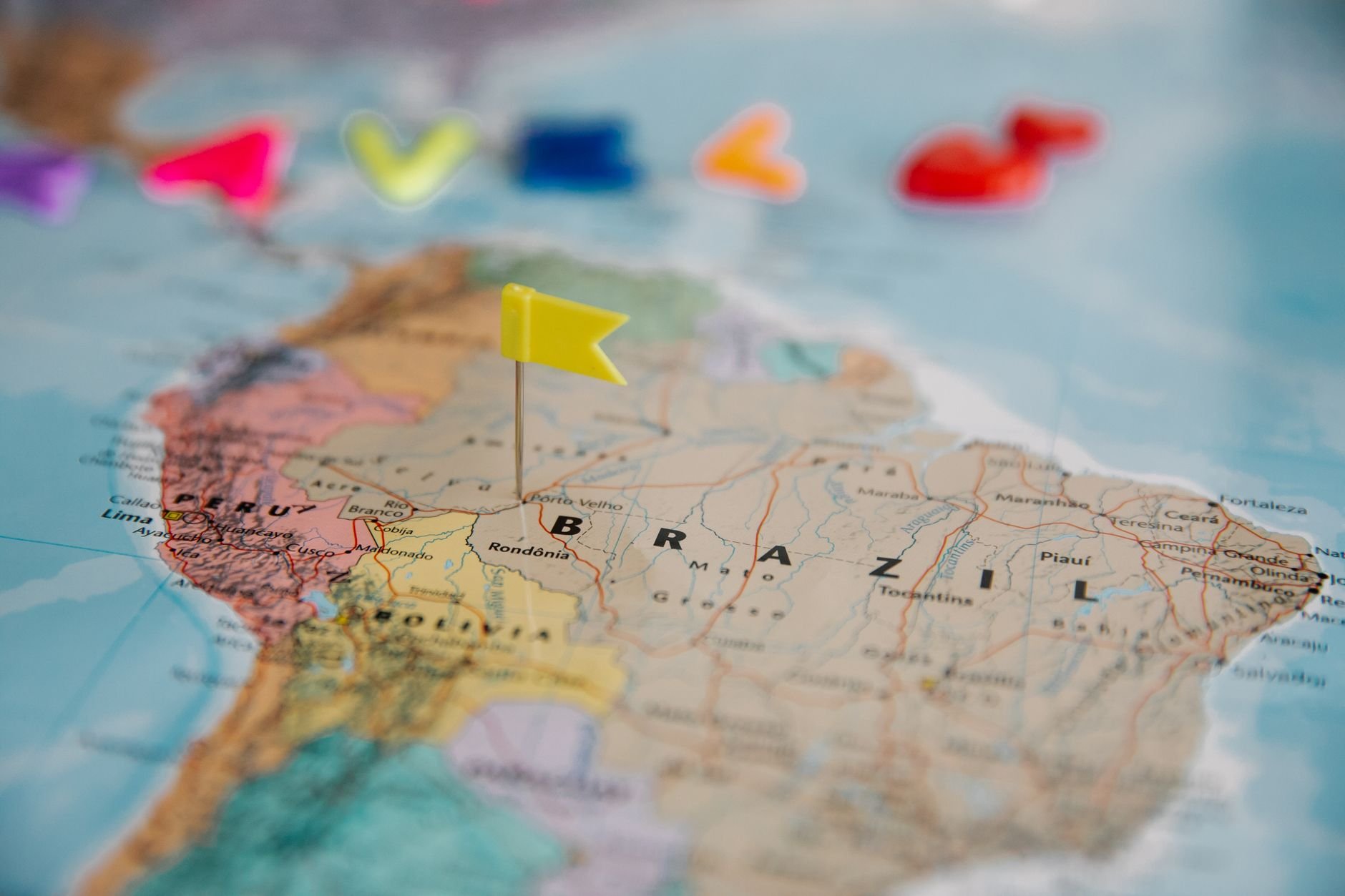
Lonely Planet advises flying into Santa Cruz, not La Paz, since Santa Cruz is Bolivia’s most important business centre and takes the vast majority of international arrivals, which keeps prices lower and routes less convoluted. It is also lower in elevation, which gives time to acclimatise before reaching La Paz and the altiplano. A B$110 bus then covers the Santa Cruz to La Paz leg.
From La Paz, the standard backpacker loop continues to Lake Titicaca and then south to the Salar de Uyuni, the three stops used in Bushop’s ten-day cost model. Ten days on the $35 to $50 daily range comes to $350 to $500 before the salt flats tour, and the guide’s $450 to $700 all-in figure shows how much of the total the tour and long bus rides absorb.
Travellers who also plan a European leg can compare this daily range against the costs in the guide to europe on a budget, and anyone weighing Asia as the alternative can read the equivalent route notes in the guide to backpacking india.
Ways to cut the daily total
Lonely Planet’s first money-saving tip is to avoid dorms when two people travel together. A private room in a local residencial, alojamiento or posada, the informal inns whose names are used interchangeably, is often cheaper and more comfortable than paying for several hostel dorm beds. At a B$65 dorm price, a couple paying for two beds only breaks even if the inn charges less than B$130, so it is worth asking for the room price before booking.
Food is the next lever. Lonely Planet calls street food incredibly inexpensive, and Bushop’s backpacker table puts food at $10 to $15 a day. Cooking is rarely needed at that price, and eating where local workers eat keeps a day’s spending near the bottom of the $10 to $15 band.
Skipping the luxury version of a highlight is the biggest lever. Bushop lists salt hotels near Uyuni at $100 to $250-plus per night, which on its own is above the top of the $35 to $50 daily backpacker range, so one such night can erase the savings from several dorm nights. A standard multi-day tour with a basic bed removes most of that gap.
The price source matters as well. Both guides above are English-language travel publishers, and Bushop sells the tours it describes. Checking a bus fare or tour quote at a local terminal before paying a booking-site markup is the simplest way to verify any figure here. Fares in bolivianos can also move with fuel prices and exchange rates, so the B$110 and B$65 prices should be treated as reference points, not fixed rates, and re-checked on arrival in Santa Cruz. Travellers who keep a small notebook of what each day actually cost, set against the $35 to $50 range, will see within a week whether the route needs trimming.
Frequently asked questions
How much money is enough for Bolivia per day?
How much money is enough for Bolivia per day?
Bushop’s 2026 guide says backpackers can travel on roughly $35 to $50 a day, excluding international flights, while its mid-range band is $70 to $120.
What is the cheapest way to enter Bolivia?
What is the cheapest way to enter Bolivia?
Lonely Planet recommends flying into Santa Cruz rather than La Paz, then taking a bus to La Paz, listed at B$110 (US$16).
Is a ten-day Bolivia trip affordable on a backpacker budget?
Is a ten-day Bolivia trip affordable on a backpacker budget?
Bushop estimates $450 to $700 all-in on the ground at the budget end for ten days covering La Paz, Lake Titicaca and the Salar de Uyuni.
Where do travellers overspend most?
Where do travellers overspend most?
Bushop names the salt flats tour and transport as the two biggest line items, and it prices salt hotels near Uyuni at $100 to $250-plus per night.