The best travel tips for first-time budget travelers start with two numbers: a passport valid for six months past your return date, and a 3% foreign-transaction fee you can usually avoid with the right card.
This guide sits inside the wider budget travel section and covers the basics a first trip needs: documents, payment, cash, and a plan that keeps costs predictable.
Travel tips for documents: check your passport before flight prices
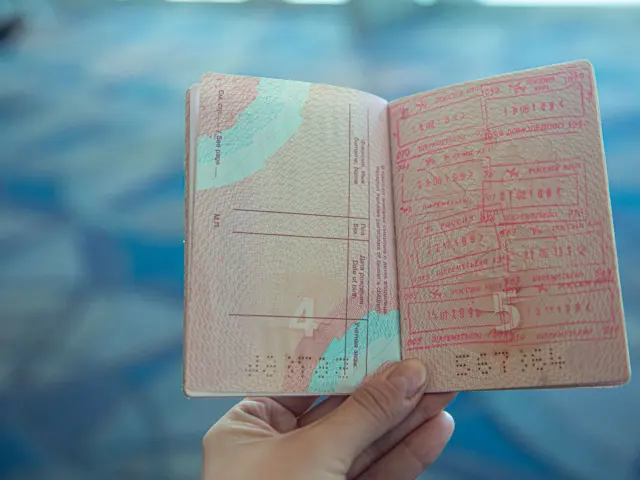
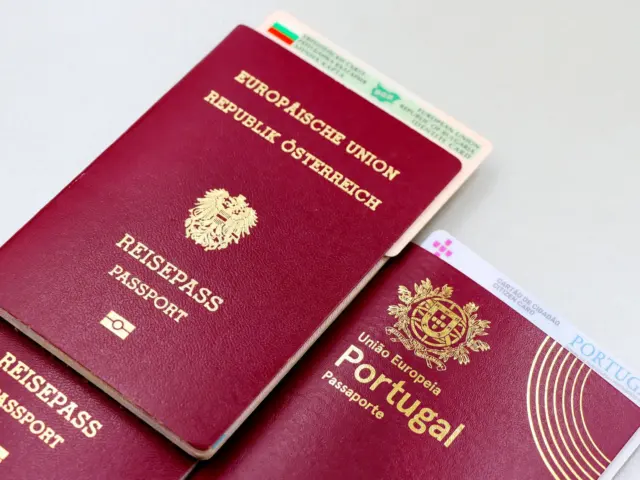
The six-month passport rule is the first trap for new travelers, because a booking made with a passport that is too close to expiry can be worthless.
A practical routine is to open the passport before searching for fares and write down the expiry date. Then compare it with the return date of the trip you have in mind. If the gap is under six months, renewal comes first and flights come second. Airlines For America also advises travelers to renew well in advance, and it warns about lengthy wait times when large numbers of people send applications to the State Department at once.
Entry rules differ by country, so the passport rule is a starting point rather than a guarantee. The destination page of the government that issued the passport is the place to confirm the exact validity requirement, any visa needs, and any blank-page rules. Booking a flight comes only after that check, because the cheapest fare is no bargain if the airline refuses boarding at the gate.
- Note the passport expiry date and add six months to the planned return date.
- Confirm the validity rule for each country on the route, including connections.
- Capture a clear image of the passport ID page and store a copy separate from the original.
Pay in the local currency and skip the 3% fee
A 3% surcharge sounds small until it is applied to every coffee, train ticket and hostel bed on a trip. Kiplinger reports that foreign-transaction fees “typically tack on an extra 3% of the purchase amount to your bill.” For a first-time traveler who pays by card all day, that fee is a quiet leak in the budget that a card choice can close.
The fix is to check the card before departure. Kiplinger notes that debit cards and credit cards that charge no foreign-transaction fee on purchases also waive the fee on ATM withdrawals, so one good card covers two problems. A traveler who finds out the fee exists only after the first statement has already paid it.

A second trap sits at the checkout terminal. Kiplinger warns about “dynamic currency conversion,” in which foreign merchants offer to process a transaction in U.S. dollars rather than the local currency. The offer looks helpful because the total appears in a familiar currency, but the rate behind it is set by the merchant’s payment provider. WalletHub analyst Jill Gonzalez is quoted by Kiplinger as saying that to get the best exchange rate, “you should refuse offers for dynamic currency conversion.” The rule is simple: when the terminal asks, choose the local currency every time.
Handle cash and ATMs with a plan
Cash is where a 3% fee can turn into several stacked charges.
That stack argues for fewer, larger withdrawals rather than many small ones, because a flat operator fee hurts more when it is spread over a small amount. It also argues for arriving with a small cash buffer. Kiplinger says that supplying yourself with foreign currency at your bank in the U.S. before departure is likely to cost less than an ATM withdrawal abroad, so a modest amount of local notes for the taxi or the first meal is a sensible purchase at home.
A few habits keep cash safe and cheap:
- Carry a second payment card stored apart from the first, in case one is lost or blocked.
- Use ATMs attached to bank branches rather than standalone machines in tourist areas.
- Decline any on-screen offer to convert the withdrawal into home currency, which is dynamic currency conversion again.
Build a trip plan that fits a budget
With the passport valid for six months, the card free of the 3% fee and a cash plan in place, the remaining budget decisions are about the shape of the trip. A first trip works best when it is short and close to a single region, because fewer border crossings mean fewer validity checks and fewer currency conversions. Longer routes are worth planning later, and the sibling guide on long-term travel covers how costs change when a trip stretches into months.
Set a daily spending figure before leaving and track it against what the card statement shows. Because the fee exposure described by Kiplinger applies per transaction, a no-fee card makes the daily figure more accurate: the price on the menu is the price on the statement. Once the basics are steady, techniques from the travel hacks guide can trim fares and lodging further.
Finally, keep documents and money in separate places. The passport copy, the backup card and the emergency cash each live in a different bag, so a single theft or loss does not end the trip. That habit costs nothing and protects every other saving in this guide. It also keeps a bad day in perspective: a lost bag is an inconvenience when the passport copy, the backup card and the emergency cash are somewhere else, and a trip-ending problem when they are all in the same pocket. Beginners tend to spread their attention across a long list of small decisions, so a short checklist built from the passport rule, the card fee and the cash plan covers the largest avoidable costs first.
Frequently asked questions
How long should a passport be valid for international travel?
How long should a passport be valid for international travel?
Airlines For America says many countries require validity of six months after the final day of travel. Check the specific destination, since the requirement varies by country.
How much is a typical foreign-transaction fee?
How much is a typical foreign-transaction fee?
Kiplinger puts the typical fee at an extra 3% of the purchase amount, so choosing a card without that fee removes a recurring cost from every purchase made abroad, from restaurant bills to museum tickets and local transport.
Should I let a shop charge me in U.S. dollars?
Should I let a shop charge me in U.S. dollars?
No. WalletHub analyst Jill Gonzalez, quoted by Kiplinger, advises refusing dynamic currency conversion to get the best exchange rate.
Is it cheaper to get cash at home or from an ATM abroad?
Is it cheaper to get cash at home or from an ATM abroad?
Kiplinger says getting foreign currency at a U.S. bank before departure is likely to be less costly than an ATM withdrawal abroad, which can carry network, operator and conversion fees.