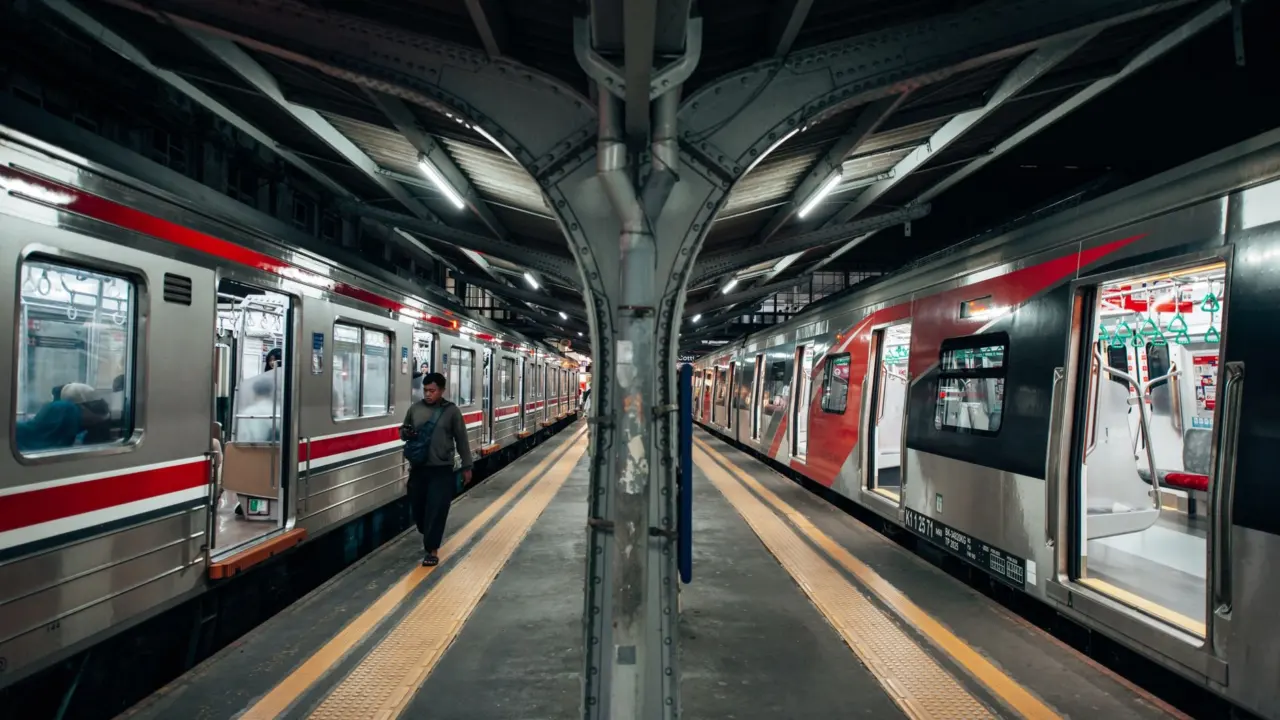
Backpacking Japan on a budget works best on slow local trains: the Seishun 18 Kippu covers five consecutive days for 12,050 yen, while a 7-day Japan Rail Pass now costs 53,000 yen.
This route sits inside the wider guide to backpacking, and it pairs well with a lower-cost trip such as backpacking india or backpacking central america if the budget needs to stretch across a longer journey.
Transport sets the budget in Japan
Transport is the line item that swings a Japan trip the most, and two ticket prices frame the whole decision. The Seishun 18 Kippu costs 10,000 yen for 3 consecutive days or 12,050 yen for 5 consecutive days, according to japan-guide.com. The 7-day Japan Rail Pass, by contrast, was reported in April 2026 to be rising by 3,000 yen to 53,000 yen for ordinary carriages.
That gap is roughly a factor of four for the same number of days, and it explains why a shoestring route in Japan is built around the cheaper ticket rather than around the famous one. Accommodation and food can be kept low with hostels, capsule-style beds and convenience-store meals, but none of those savings come close to the difference between a bullet-train pass and a local-train ticket.
Anyone starting from the cheapest end should also check the ticket season first. The Seishun 18 Kippu is only sold around set usage periods, so the dates of the trip decide whether the 10,000 yen or 12,050 yen option is available at all, and that single check can reshape the entire plan before any beds are booked.
The trade-off is time. Local and rapid trains are slower than the shinkansen, so the route has to be planned around fewer, longer hops and short stops in places worth seeing, not a rush through every famous city.
Why the Japan Rail Pass rarely suits a shoestring trip
The Japan Rail Pass was repriced in October 2023, when JR group companies raised fares by around 70%, as The Star reported in April 2026. A further rise was announced for October 2026: the adult 7-day pass for ordinary carriages goes up by 3,000 yen to 53,000 yen, and the Green Car version goes up by 4,000 yen to 74,000 yen.
Longer passes rose as well. The 14-day pass climbs by 4,000 yen to 84,000 yen, and the 21-day pass by 5,000 yen to 105,000 yen. Those figures come from reporting dated April 2026, so travellers should confirm the live price on the official seller before budgeting.
At those prices, a pass only pays for itself on an itinerary packed with long shinkansen legs, for example repeated trips between Tokyo and Hiroshima. A backpacker who is happy to travel slowly will almost always spend less by buying individual tickets or using the Seishun 18 Kippu.
The Seishun 18 Kippu: how the cheap ticket works
The Seishun Juhachi Kippu, meaning roughly “Youth 18 Ticket”, is a JR local-train pass with no age limit despite its name. It is sold in a 3-day version for 10,000 yen and a 5-day version for 12,050 yen, and japan-guide.com notes that the ticket is valid on three or five consecutive calendar days.
Three limits matter for planning:
- It is not valid on limited express trains or the shinkansen, so every leg must be on local or rapid services.
- It can only be used during set seasonal periods, with sales ending a few days before each period closes.
- Crossing to Hokkaido needs a separate “Seishun 18 Kippu Hokkaido Shinkansen Ticket” at 4650 yen per person for the stretch from Shin-Aomori to Hakodate.
Older guides describe the ticket as splittable into separate day trips. Since the rules changed, japan-guide.com lists consecutive days only, so any blog post that promises flexible use should be treated as out of date.
A sample slow-travel route
A workable five-day plan with the 12,050 yen ticket runs west from Tokyo along the main Pacific corridor. Day one covers the long local run to Nagoya, day two reaches Kyoto, day three is an Osaka and Nara loop, day four goes on to Himeji and Okayama, and day five ends in Hiroshima. Because the ticket is valid for unlimited local rides on each consecutive day, short side trips such as Nara cost nothing extra.
The same ticket pays back quickly on the long days. A single extended local ride that would be expensive in individual fares uses up just one of the five days on the 12,050 yen ticket, and the lighter days can be spent walking cities on foot or using local buses. Because the ticket runs on consecutive calendar days, the plan works best when the long transfers fall early and the final days stay close to one base, which keeps the schedule realistic and the stress low.
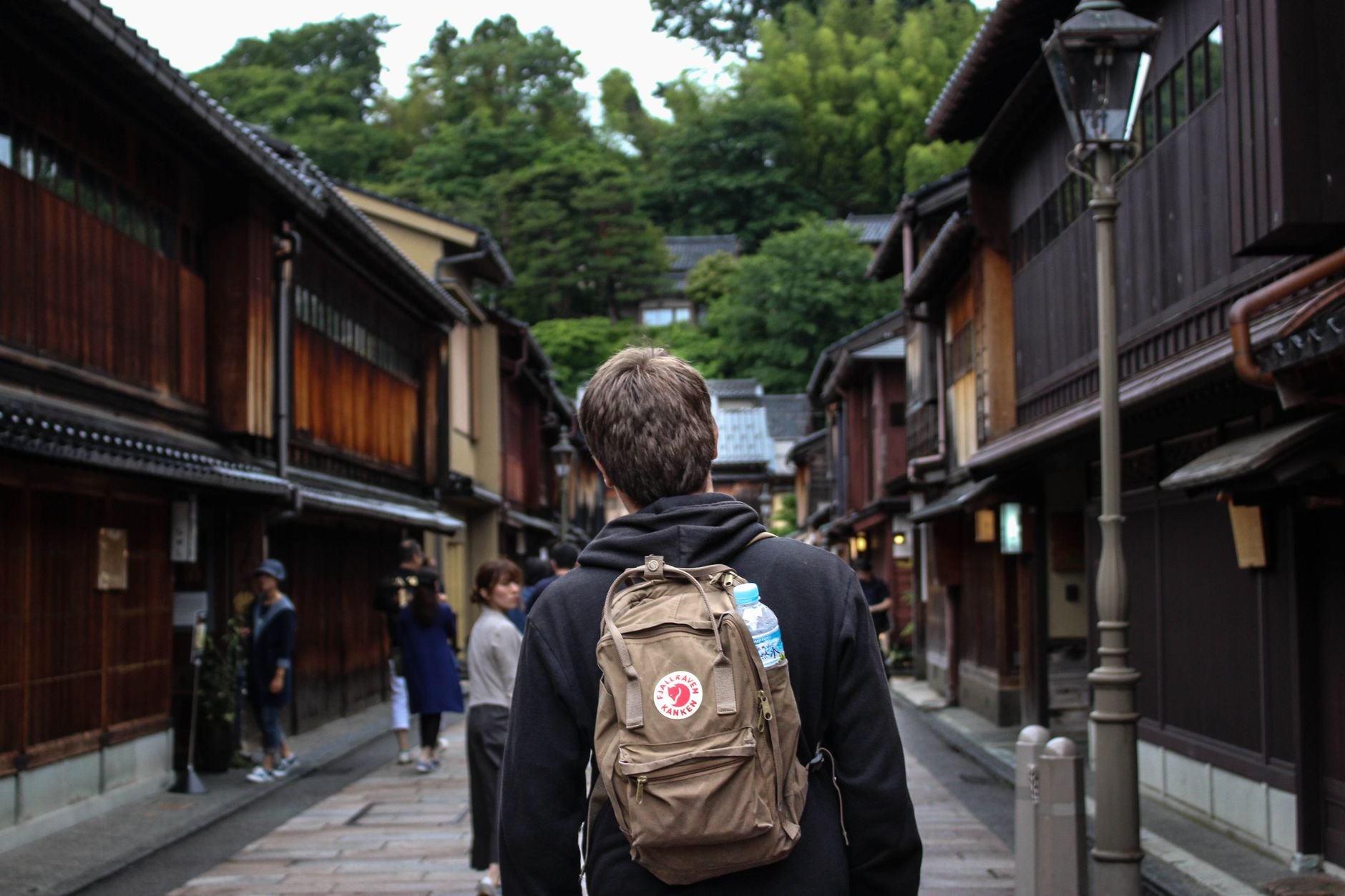
Bed and food costs are easier to hold down once transport is fixed. Hostel dorms, overnight bus options and basic business hotels all fit around a slow rail route, and convenience stores and standing noodle counters keep daily meals cheap. Laundry can be done in coin machines, and walking between sights saves city transit fares.
Trimming costs outside the train ticket
Once the 12,050 yen ticket is covering the main legs, the remaining savings come from habits rather than passes. Travelling in the Seishun 18 Kippu season only is the first constraint, since the ticket cannot be bought out of season, and booking beds early in busy periods protects the budget from last-minute price spikes.
Convenience-store meals, supermarket discounts late in the evening and set-lunch menus all cut food spending. Free or cheap sights, such as shrine grounds, parks and old streets, fill days that would otherwise be spent buying admission tickets. Walking and cycling cover short distances inside cities, which avoids small fares that add up on top of a rail ticket that already costs 12,050 yen.
One final tip is to avoid adding shinkansen rides casually. A single bullet-train leg between Tokyo and Osaka costs far more than a day of the 5-day ticket, so each shinkansen trip should be a deliberate choice, such as skipping a long overnight stop, rather than a default.
Frequently asked questions
How much does the Seishun 18 Kippu cost?
How much does the Seishun 18 Kippu cost?
According to japan-guide.com, the 3-day ticket costs 10,000 yen and the 5-day ticket costs 12,050 yen, both valid on consecutive calendar days.
Is the Japan Rail Pass worth it for a budget trip?
Is the Japan Rail Pass worth it for a budget trip?
Rarely. The Star reported in April 2026 that the 7-day ordinary pass rises to 53,000 yen, against 12,050 yen for a 5-day Seishun 18 Kippu.
Can the Seishun 18 Kippu be used on the shinkansen?
Can the Seishun 18 Kippu be used on the shinkansen?
No. japan-guide.com states that it is not valid on limited express trains and the shinkansen, though a separate 4650 yen ticket covers the Hokkaido Shinkansen from Shin-Aomori to Kikonai.
Is the Japan Rail Pass price the same for everyone?
Is the Japan Rail Pass price the same for everyone?
No. The Star reported in April 2026 that the October 2026 increases target the pass sold to foreign tourists, with the 14-day pass rising to 84,000 yen and the 21-day pass to 105,000 yen.